

Jack just launched Buzz.
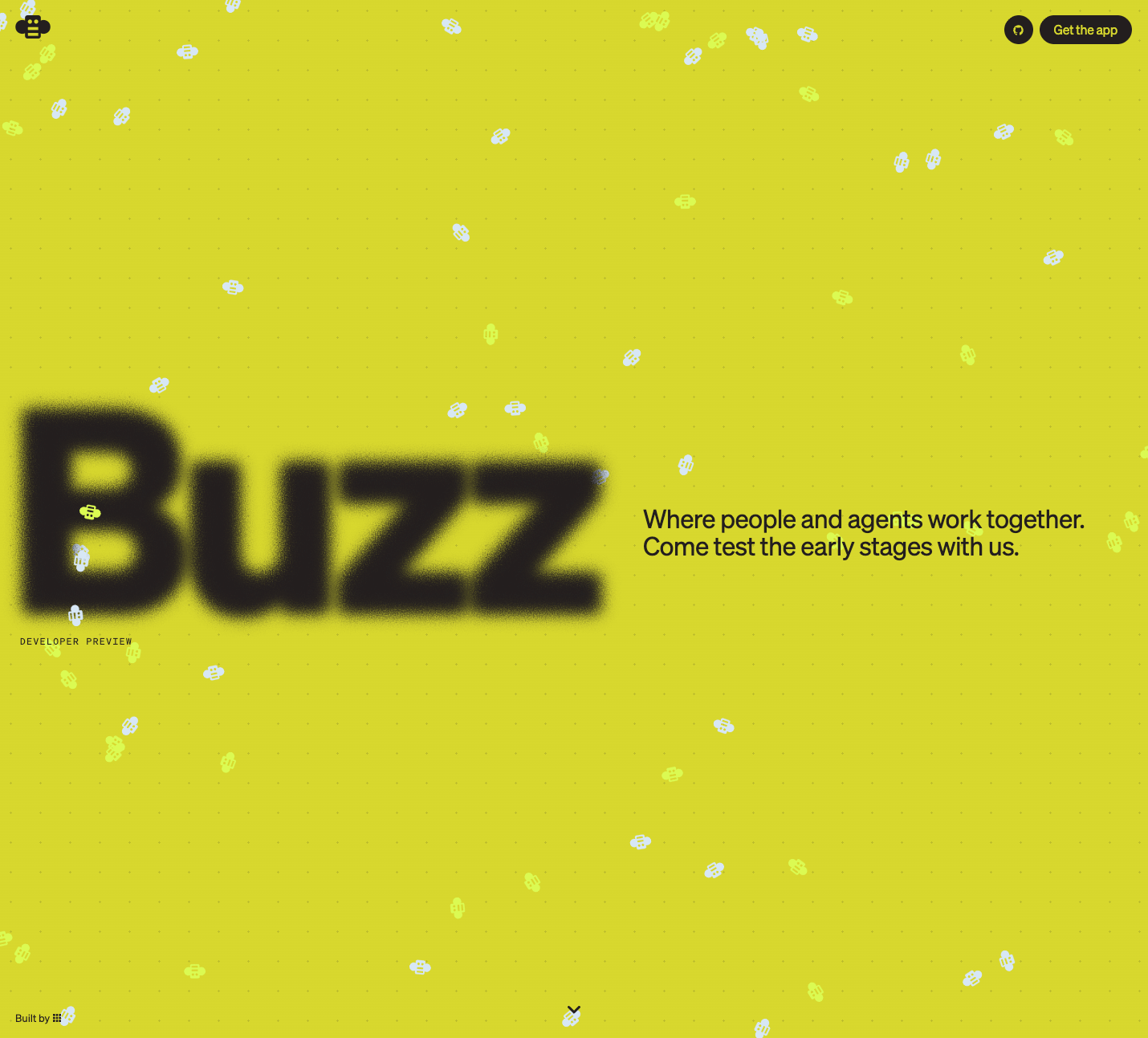
It's a Slack replacement (group chat platform) that aims to bundle together Slack + Slack-native agents like Centaur and Claude Tag and a slice of GitHub (the ability to create and review PRs).
While on the surface it seems more like an experiment and I don't think it has too much strategic significance at this stage, it was in fact open sourced. Wouldn't it be useful to look at how a (self-proclaimed?) best-in-class organization builds with AI?
FIRST, THE BASICS
None of this should surprise you but Block is not reinventing the wheel on basic context management. There’s a solid README.md, an AGENTS.md file, a CLAUDE.md symlinked to it.
There's also two custom skills in the repository (and I assume a lot more shared at org level). The AGENTS.md file is further broken down into files like SECURITY.md, TESTING.md, RELEASING.md, etc. that cover the relevant operating procedures.
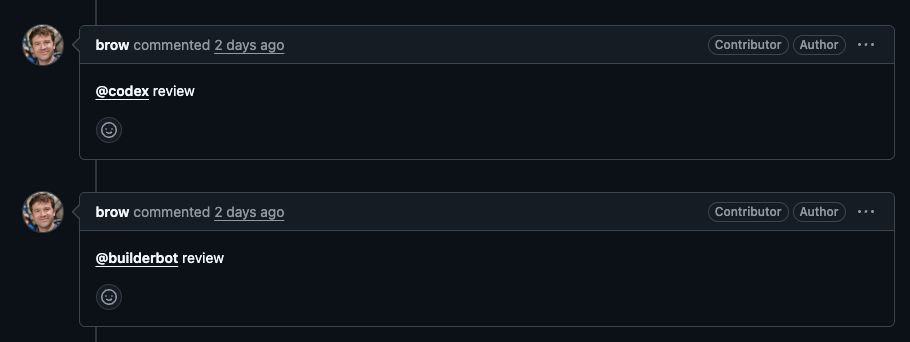
Team members tag both Codex and Block’s own Builderbot for code reviews:
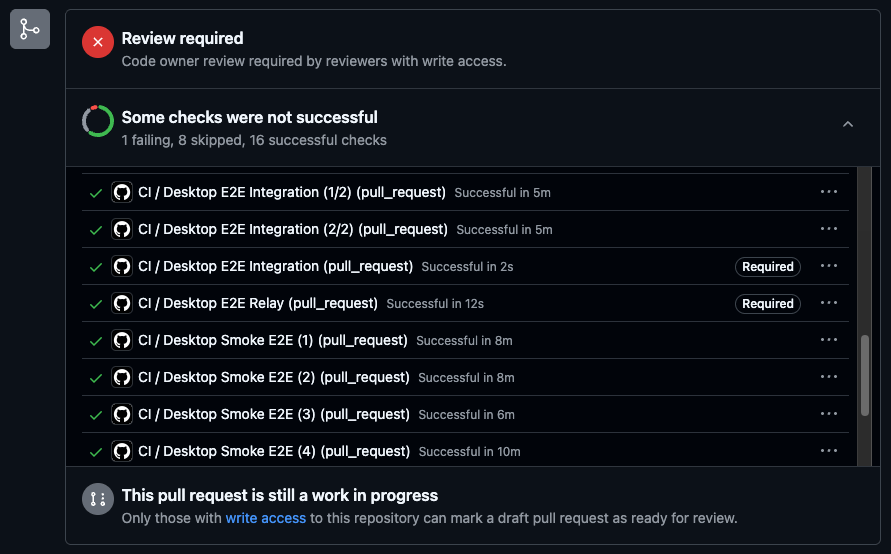
The repo calls for an in-depth harness with extensive end-to-end and smoke tests:
All commit messages are written by Claude/Codex. For simpler fixes, engineers seem to be merging their own changes into main without awaiting review.
Nothing ground-breaking so far.
1/ VISION SETTING
Block chose to create several Vision files, each of them serving as a high-level PRD, describing the key app surfaces and domain model. Here's the main one:
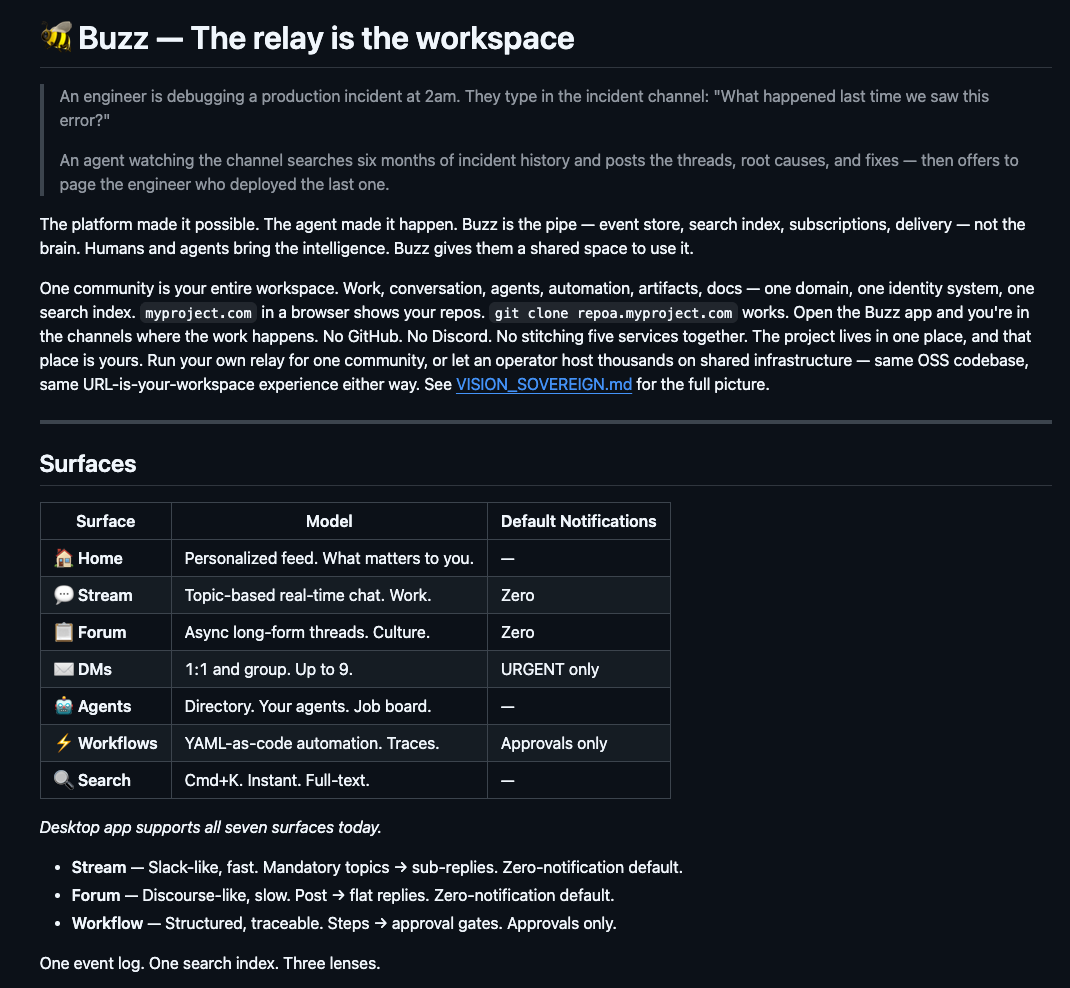
(AI is clearly writing these files.)
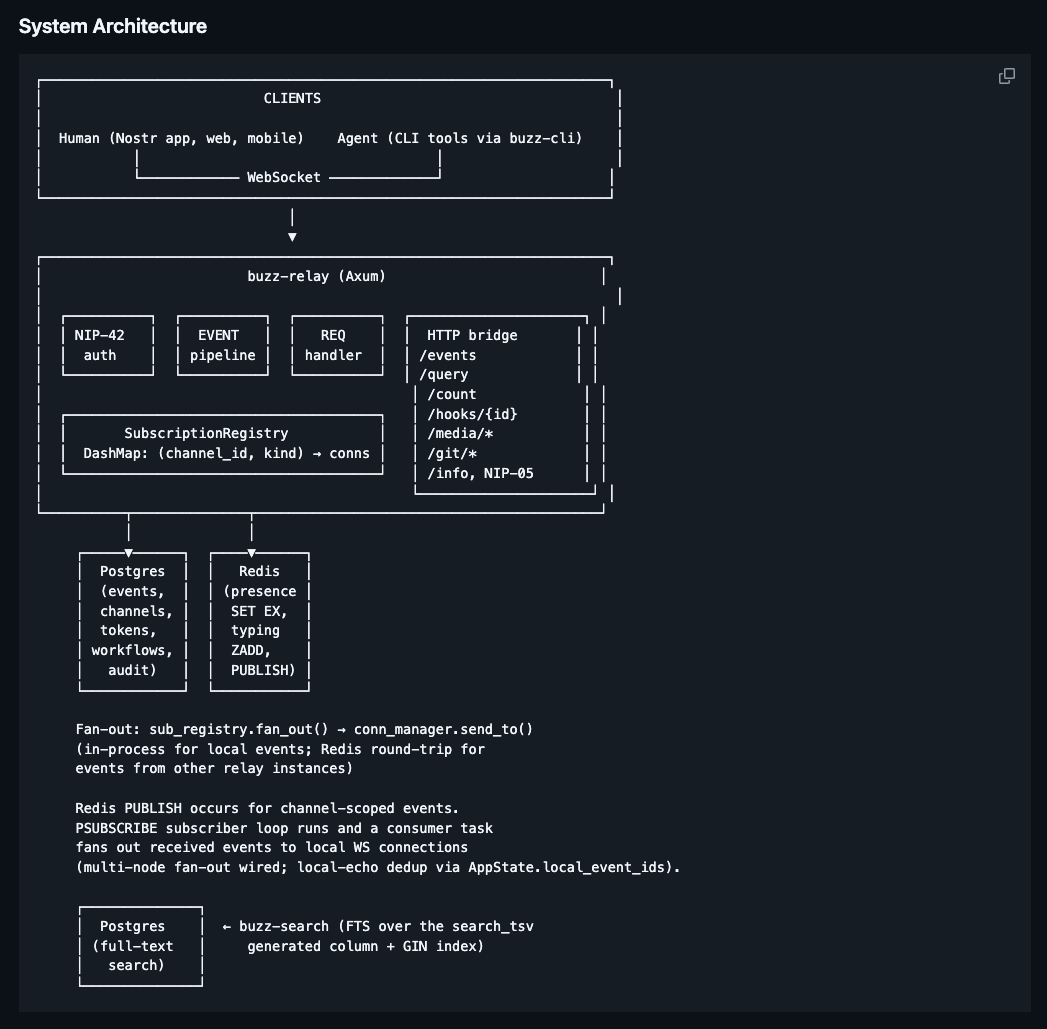
The system architecture file also has an impressive level of detail although this may be one of the few that is targeted at humans as much as it is targeted at agents (the ASCII diagram being the hint).
2/ BETTER REVIEWS WITH PR SCREENSHOTS
A chunk of the repo (skills and readme) is dedicated to explaining the PR screenshot functionality which allows agents to create reviewable previews of features, here’s a part of the skill:
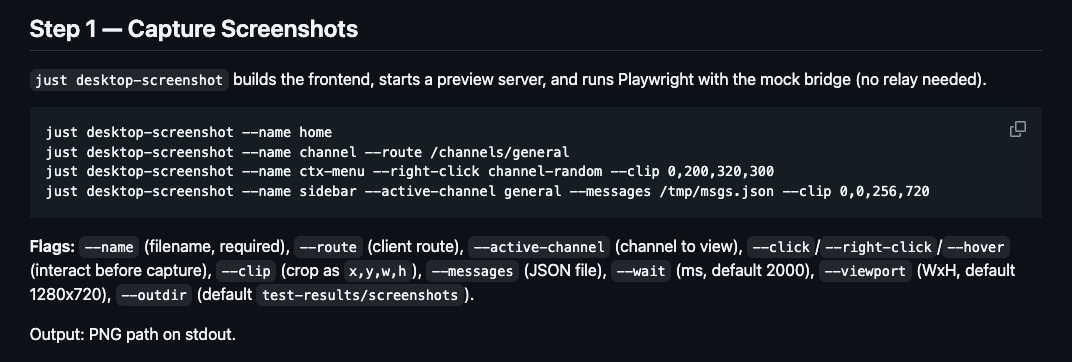
I'm guessing that screenshots may be easier for other agents to review (as opposed to say a staging preview).
Pretty cool and I expect this may be the most forked part of this repository.
3/ HOW IT STARTED
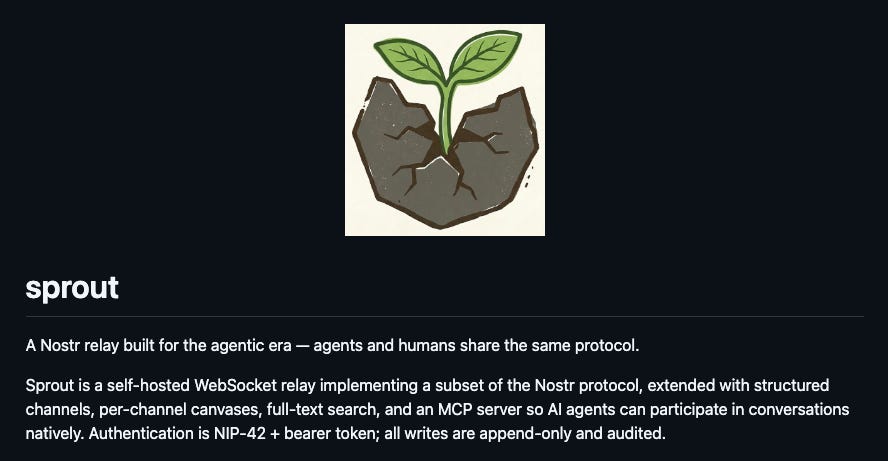
Finally, I went back to the original commit for this service and it used to be called Sprout and didn't even have an app.
The initial architecture and vision docs were already there suggesting that the team had deliberated on a domain model quite a bit before focusing on the desktop features and concept taxonomy.
Ultimately, the repo isn't dissimilar from what your AI projects probably already look like. It started pretty humble (but with a coherent core of context) and expands from there. It’s also a pretty engineering-driven project which fits Block’s thesis that we covered earlier:
Everyone works on the system. While it’s obvious that everyone in this organization is a consumer of “the system”, the true difference from status quo is that everyone is also a contributor. Either they are an IC or player-coach directly improving certain parts of the system from an ability lens or they are a Directly Responsible Individual who is optimizing how a system is achieving a specific goal. Humans at the edges are also continuing to adjust the world models in line with reality by injecting feedback and data.
I feel I have to apologize that I don't have a hot take about Buzz.
I think it’s an interesting project which incorporates some aspects of the crypto/cypherpunk ethos but after the statements Jack made about the future of work, I was much more interested in what Buzz reveals about how Block ships code.
In short, their AI use is not that different from yours & mine and the areas where they are doing something a little different are working towards higher engineering velocity: enabling PR screenshots to speed up reviews, having great in-repo context for agents, not having engineers waste time writing documentation or reviewing smaller fixes.
As a Twitter intern, it’s pretty cool to see we may never go back to a slower mode of work.