

I saw Hitler and Anthropic in the same sentence last week 🤔.
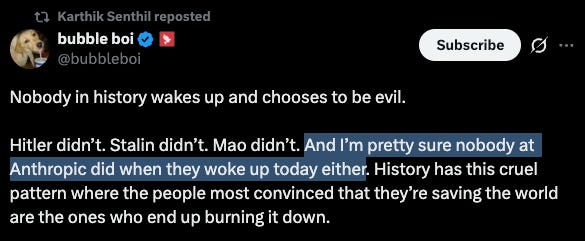
Luckily, the other reactions to Anthropic releasing Fable have been more positive.
The model is doing some impressive things.
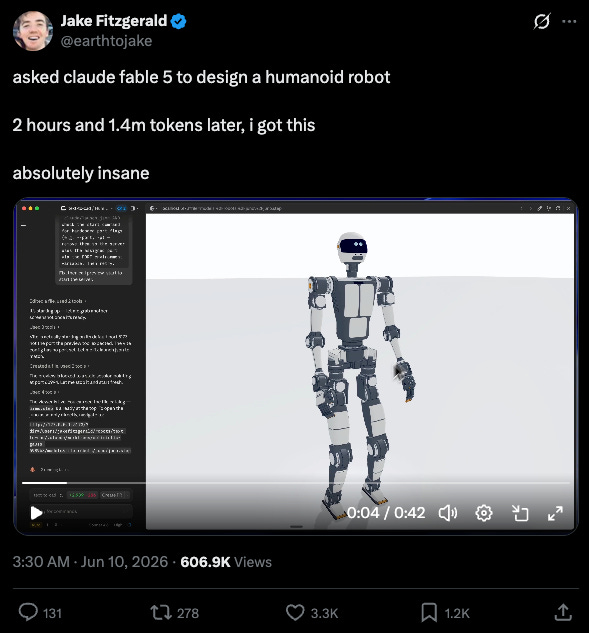
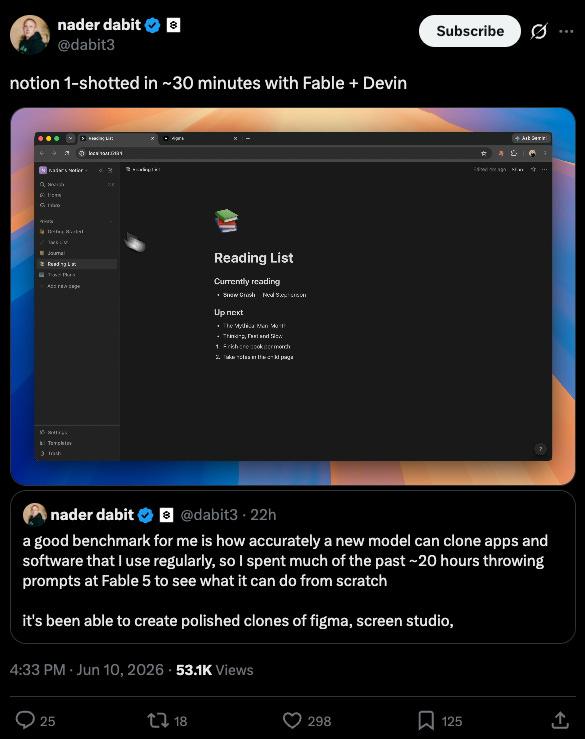
It’s nice to see a model that lives up to its reputation but this thing needs an instruction manual.
As someone who is making the switch, I have three questions in mind:
1/ Should I use Fable?
2/ How should I use Fable?
3/ How should I rework existing projects?
Should I use Fable?
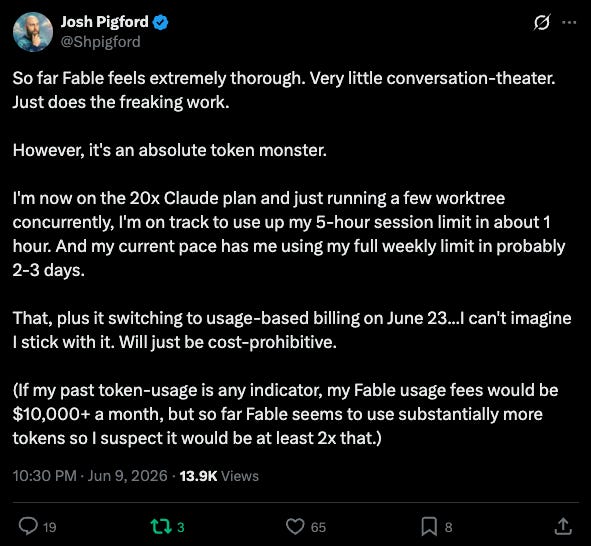
Based on the outputs I’m seeing, the no. 1 concern is just cost:
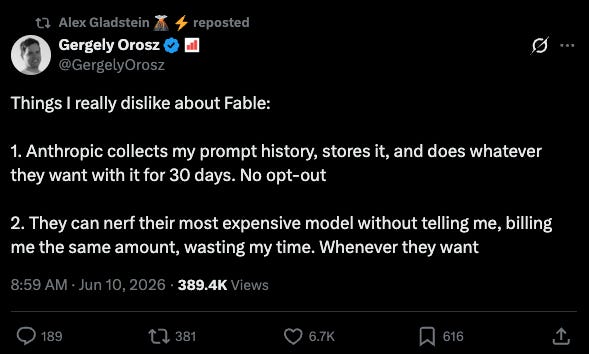
The second less common one is Anthropic’s nerfing controls:
It’s probably not right to use Fable for everything but it's worth spending time to figure out where it could either lift the quality bar or produce a better performance/cost ratio.
How to use Fable
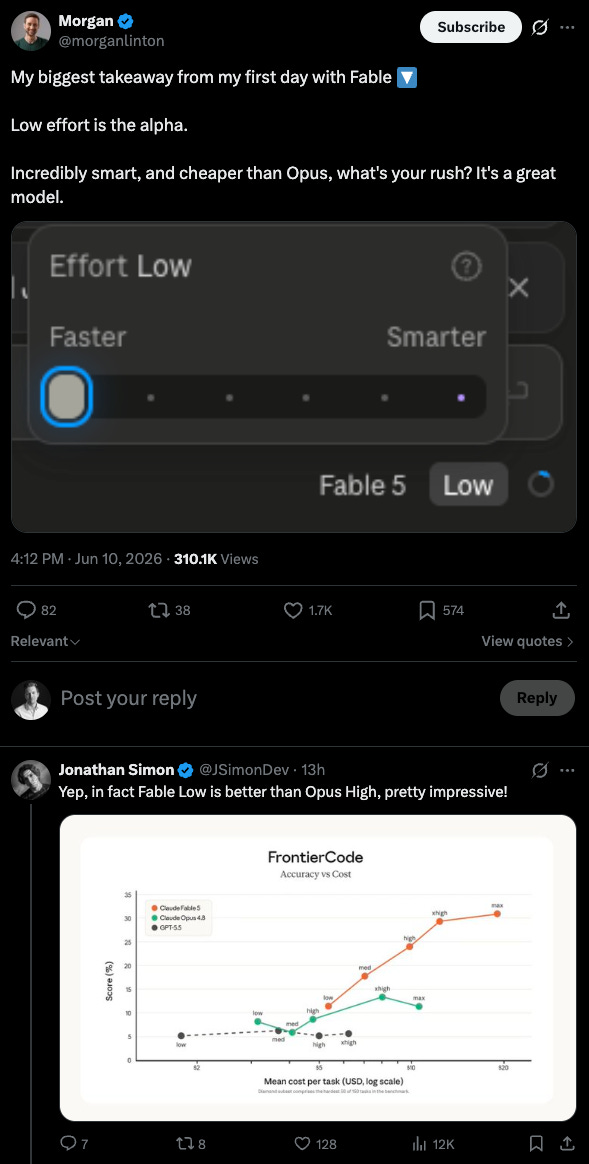
Fable comes in many varieties and you shouldn’t assume you need to use the highest tier model. In fact, Fable “low” benched pretty well:
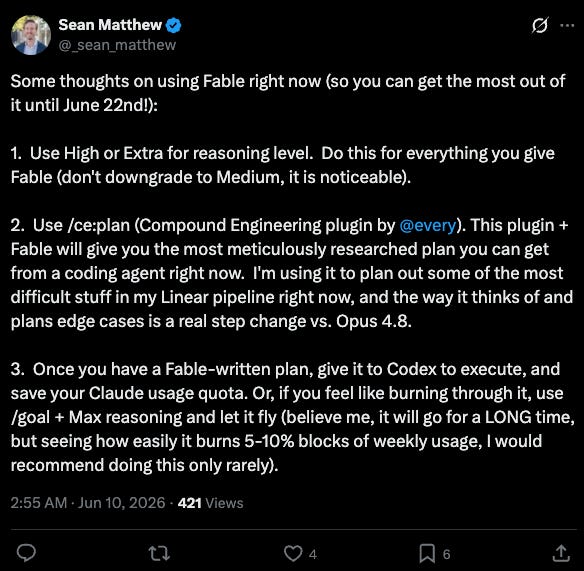
You could even use it just for planning:
Or as a replacement for human-in-the-loop:
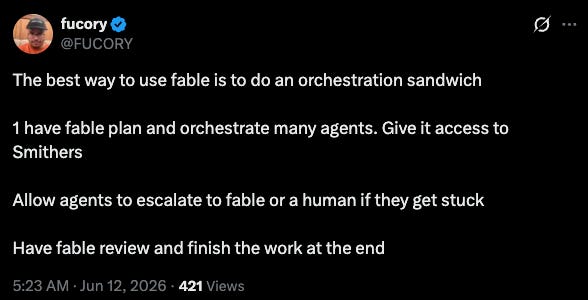
If you get whiplash switching between Codex and Code maybe a decent middle ground is to use the low model for coding and high/extra for complex planning/debugging.
As far as how to use it, Claude did a video about this in an engineering context, it effectively makes three points:
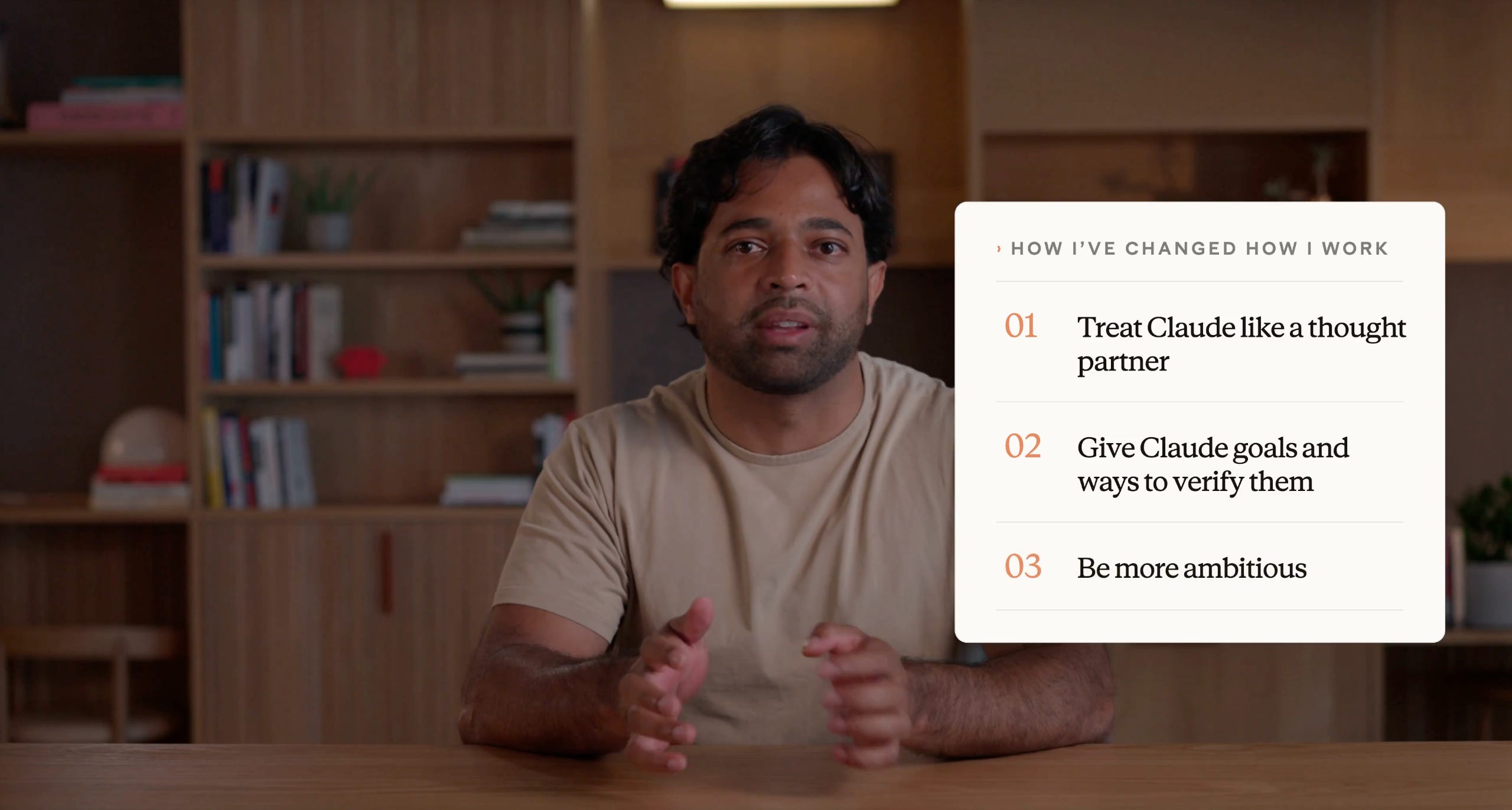
+ Treat Claude like a thought partner
“Feel the AGI” has become a bit of a marketing meme dating back to the GPT-5 launch.
Personally, I'm seeing pretty impressive progress using Fable for planning. It confidently out-experts me in areas where I'm not an expert and it’s incredibly sensitive to my context and goals.
For example, I asked Fable to point out gaps in a design system. Beyond visual issues, it strategized about how the design system wasn't translated in a reusable Tailwind configuration and pragmatically prioritized tasks like a PM to move my project forward.
+ Give Claude goals and ways to verify them
Engineers understand the idea of test suites pretty well and this is why LLM coding took off before other use cases. What’s new seems to be Fable’s ability to consider and pursue much more qualitative goals with equal precision and determination. I expect we will see a leap in our understanding of setting up harnessing and feedback loops for more complicated problems such as research.
For example, if you are doing research to power a spreadsheet, it may now be a good idea to ask Fable to build that model as well and describe the properties of the final deliverable you care about (sensitive assumptions are well-backed, etc.).
+ Be more ambitious
Further to the above, while early experiments seem to be focused on highlighting Fable’s ability to solve more complex engineering challenges such as 3d rendering or complex bugs, I'm excited to explore how Fable can be applied in research and media manipulation too.
My early experiments with images and video have revealed that almost all of the world class models require tremendous patience and skill in execution (especially video).
How (and whether to) to upgrade existing projects
This is the most interesting question for me. Imagine you've built something with prior model generations. At which point should you consider refactoring and how do you do this?
Typically refactoring something just because a new & smarter engineer arrives is not a good idea. Also, provided your code is protected by tests & standards, the improvements from a better model may not even be that big. I don't expect back-end projects to refactor aggressively.
However, if you've been doing game design using prior models, you may want to see what Fable can do for you. There may be other areas where it's made a breakthrough.
As to how to navigate this, I'd still anchor around improvements, e.g., if your game needs a more impressive map view because the number one complaint from players is map accessibility, point Fable at that.
Personally, I've asked Fable to do a design review of some projects and suggest potential improvements to add to the “chore” backlog. I'd love to see other ways of leveraging this model on prior work.
Fable aside, if you are already using a particular AI stack to build your projects and systems, will you consider exploring other models to see how you can improve on it or do you think its counterintuitive and will risk messing everything up?