

Silicon Valley operates in a special kind of micro-cycle.
It starts with an unresolved problem that creates a narrative vacuum. In the context of AI, for example:
- realizing that open source models are viable,
- that AI companies enjoy lower margins,
- or that vertical AI platforms are squeezed from both sides.
This is how you get a narrative vacuum.
Of course, few people have a clue how to solve the problem so VCs hold off from deploying capital. Then one of the ~100 or so independent thinkers in Silicon Valley comes up with a solution, usually in the form of a new type of startup that carries a new pseudosecret.
Eventually the pseudosecret comes out and becomes a blueprint. Startups copy each other and faithfully replicate the most minute details such as website design, GTM approach, even the way they talk about the mission or the way the Founders dress. The best way to get a feel for this is to look at YC batches since the accelerator amplifies pattern replication.
I want to share a couple of unique brands that have caught my attention and talk about what blueprints they may represent.
DISCOVERY LOOP
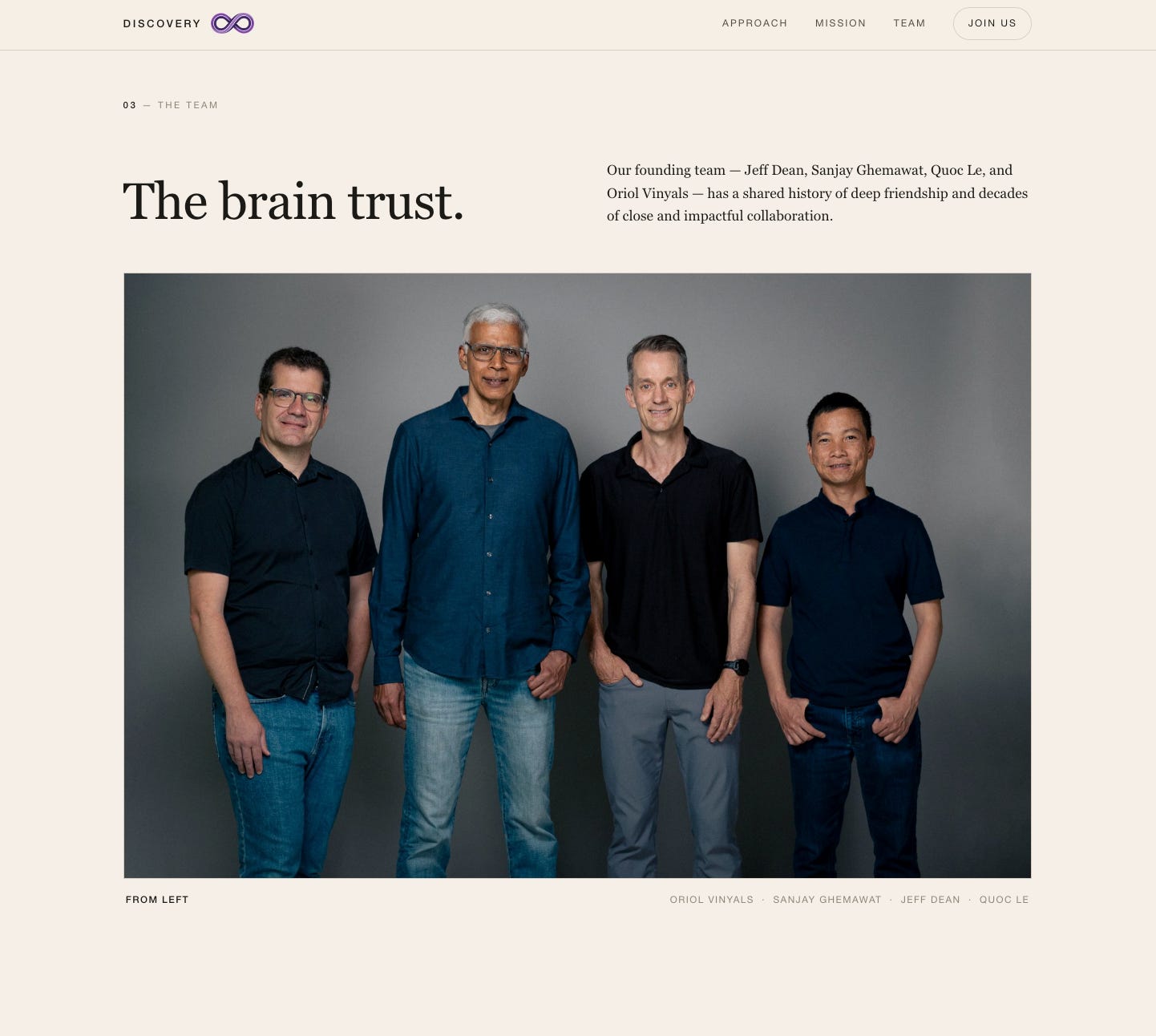
The design is obviously very vibe-coded but who cares when your team picture has the 4 engineers Google would never put on a plane together.
They are describing a sort of proto-OpenAI but targeting a vertical (scientific discovery). The “product” itself would be the agentic/auto-research loop.
Our general approach is to automate the experimental loop. We think this approach is broadly applicable across many different fields of science and engineering. We’ll initially focus on ML research and engineering, but believe the approach can help with important subproblems in nearly every one of the fourteen. NAE Grand Challenge problems. We think doing this well requires strong expertise in machine learning as well as large-scale systems.
The latter point is especially relevant as a comparison to early OpenAI which benefited from Greg Brockman’s systems engineering as much as from the research team.
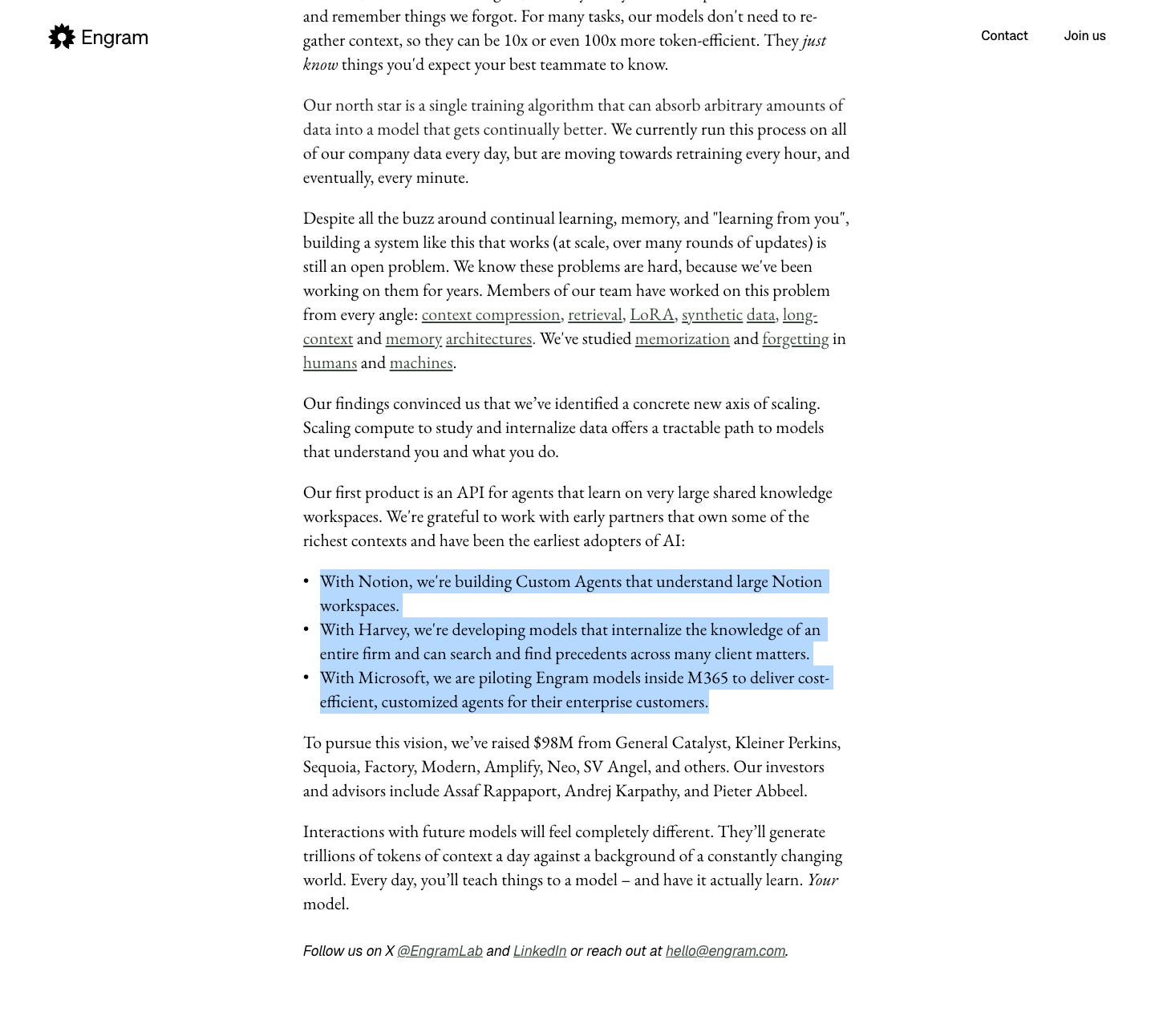
EngramLab is another company modeled in this fashion:
LEAN LUXE
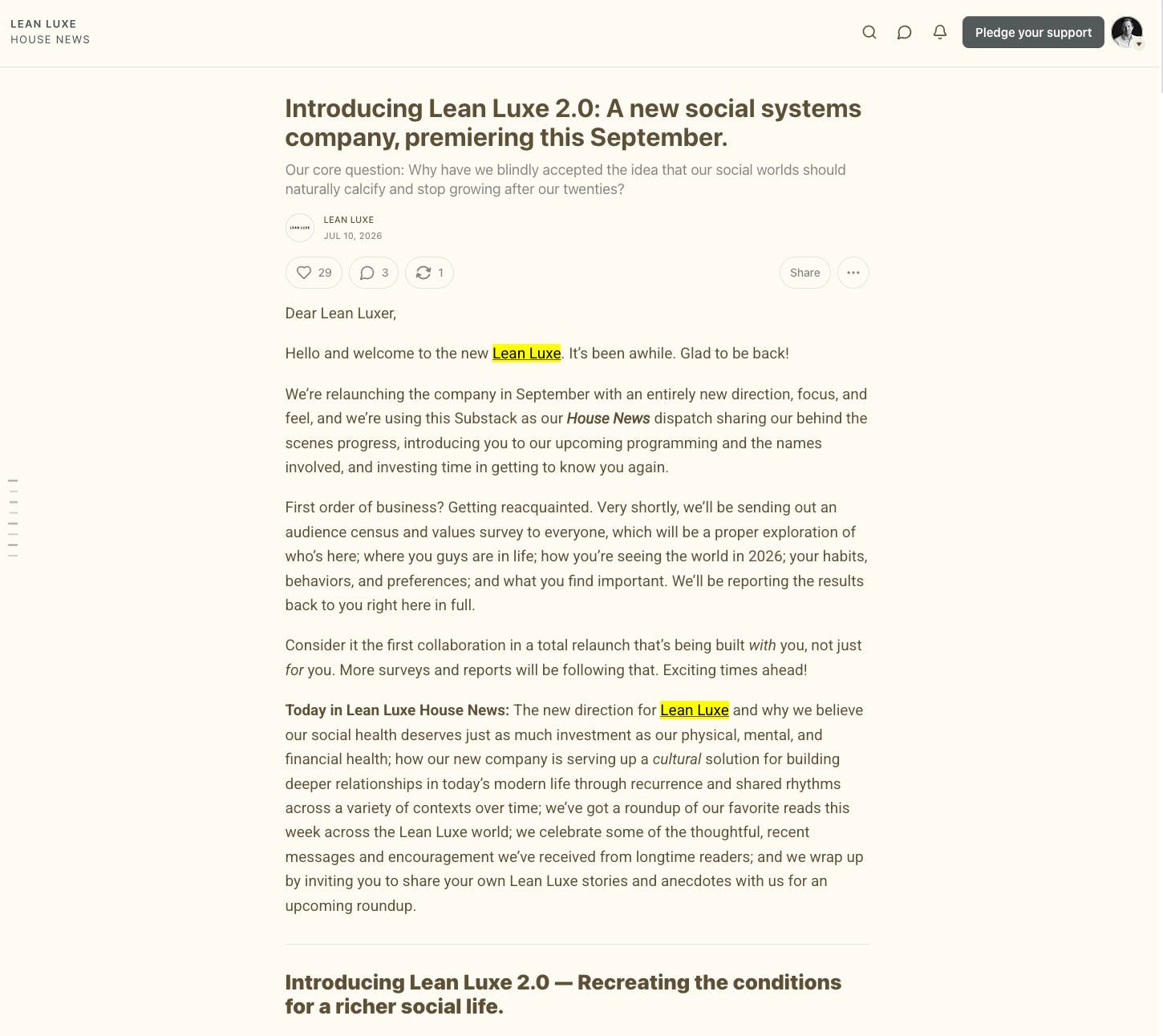

In complete contrast with AI companies, Lean Luxe pivots away from a branding oriented newsletter into a social cohort experience focused on helping millennials make friends in their thirties (a nod to 2020 anyone?).
The branding, newsletter design and copy is on point for this target audience. It’s by no means the only Substack-first business out there.
8090
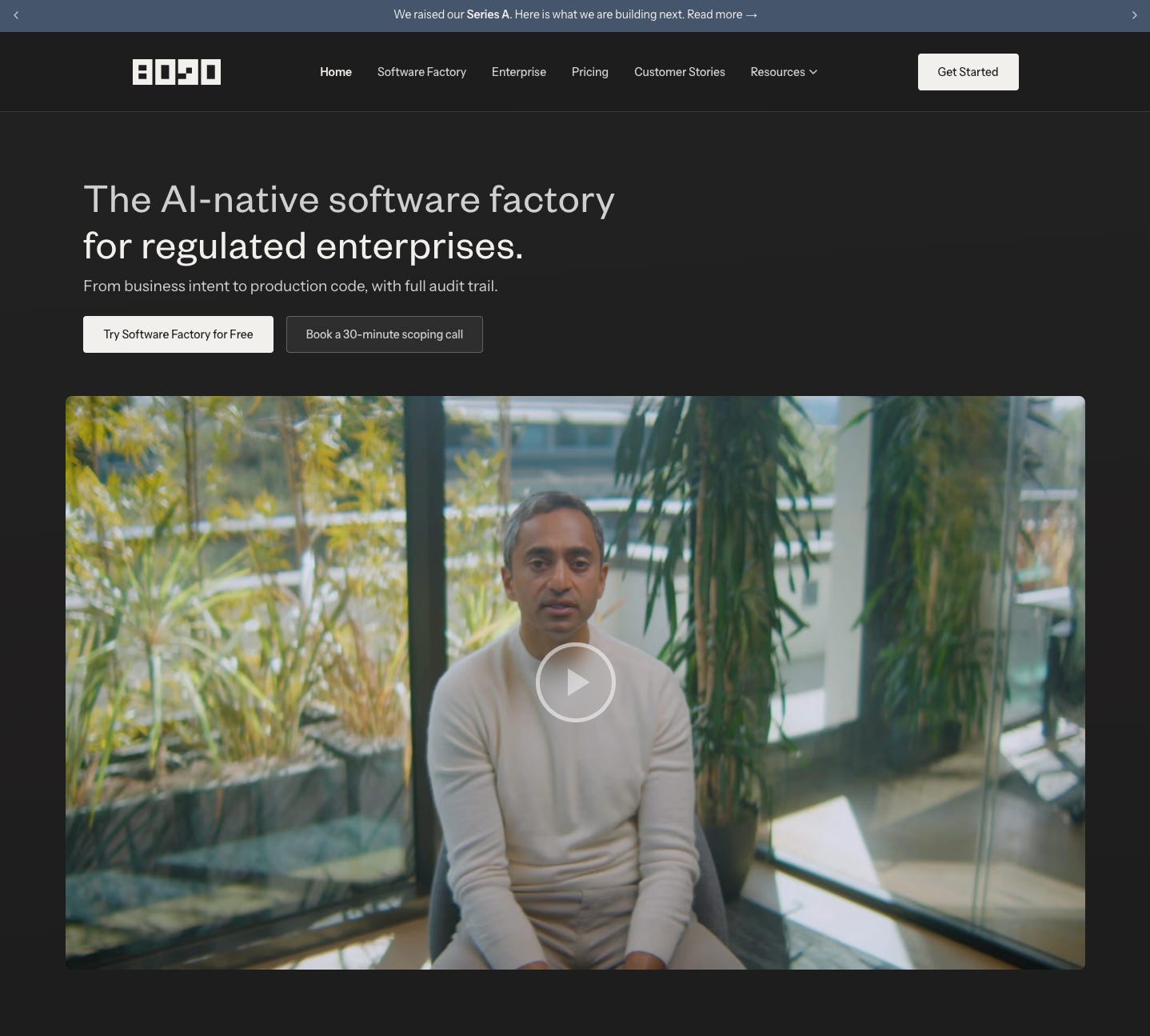
You may not like it but this is what peak performance looks like. Enterprise companies depend on contractors to deliver software and new AI-augmented contractors are emerging. A related-trend is supporting software development at scale.
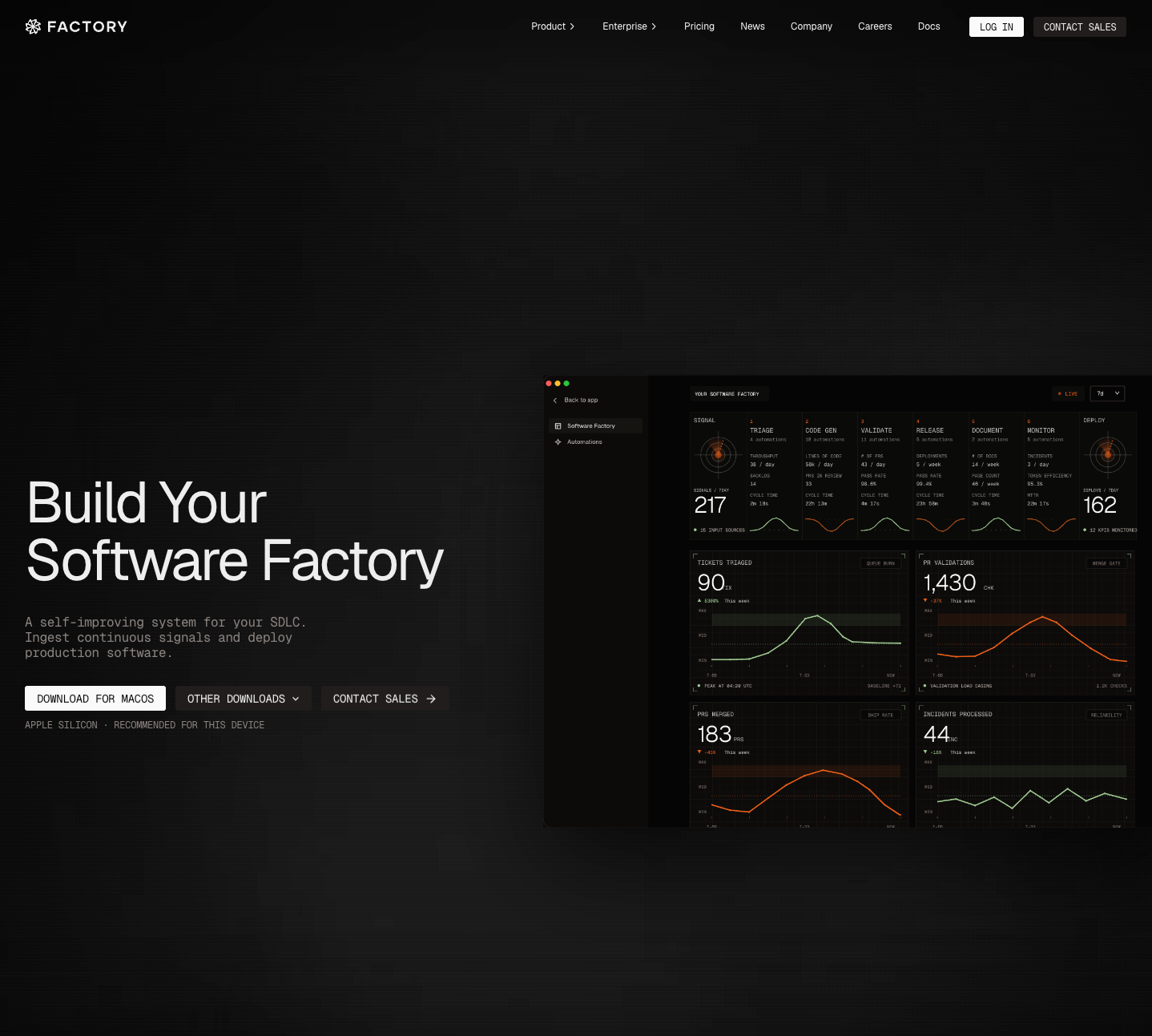
POOLSIDE
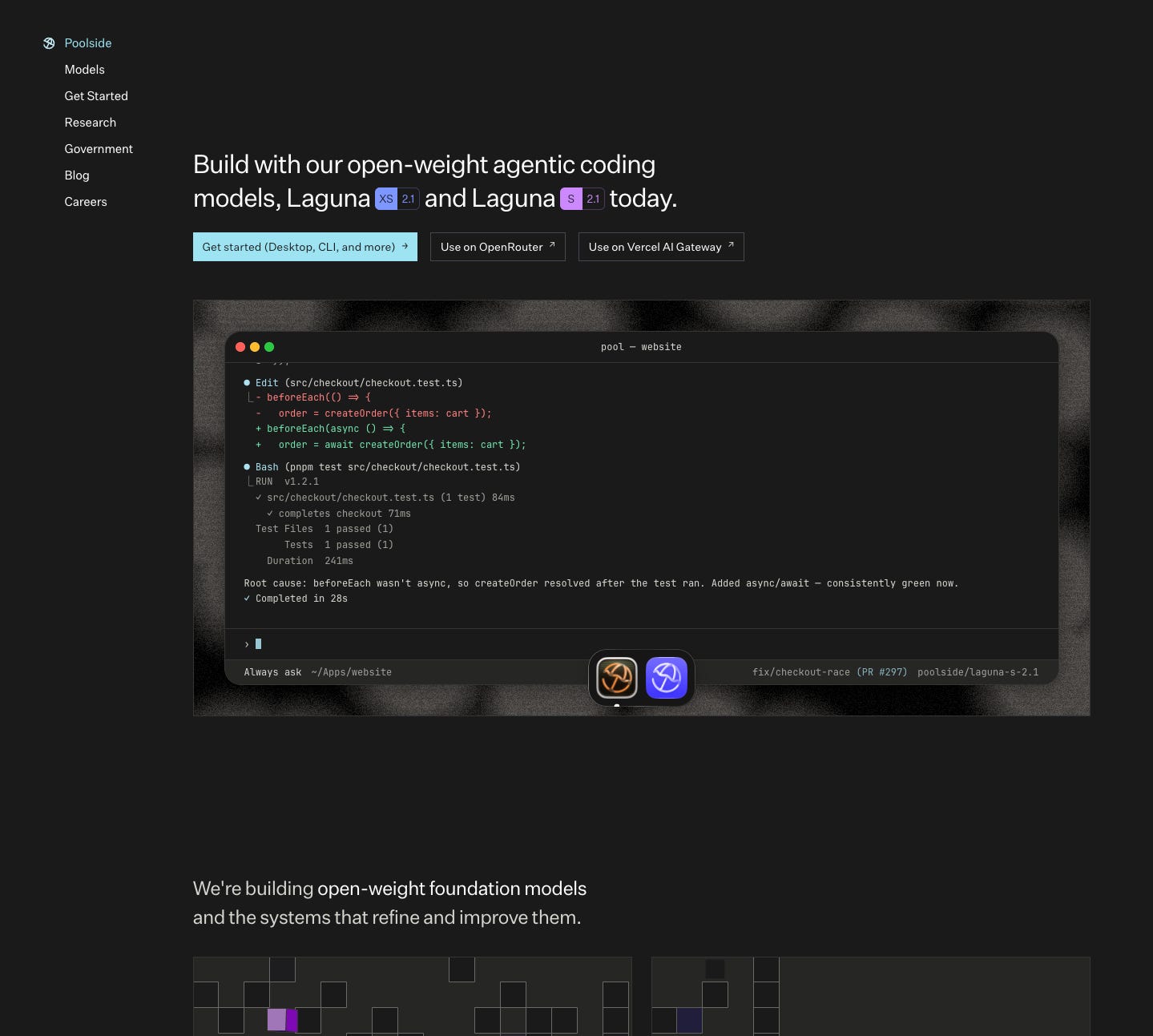
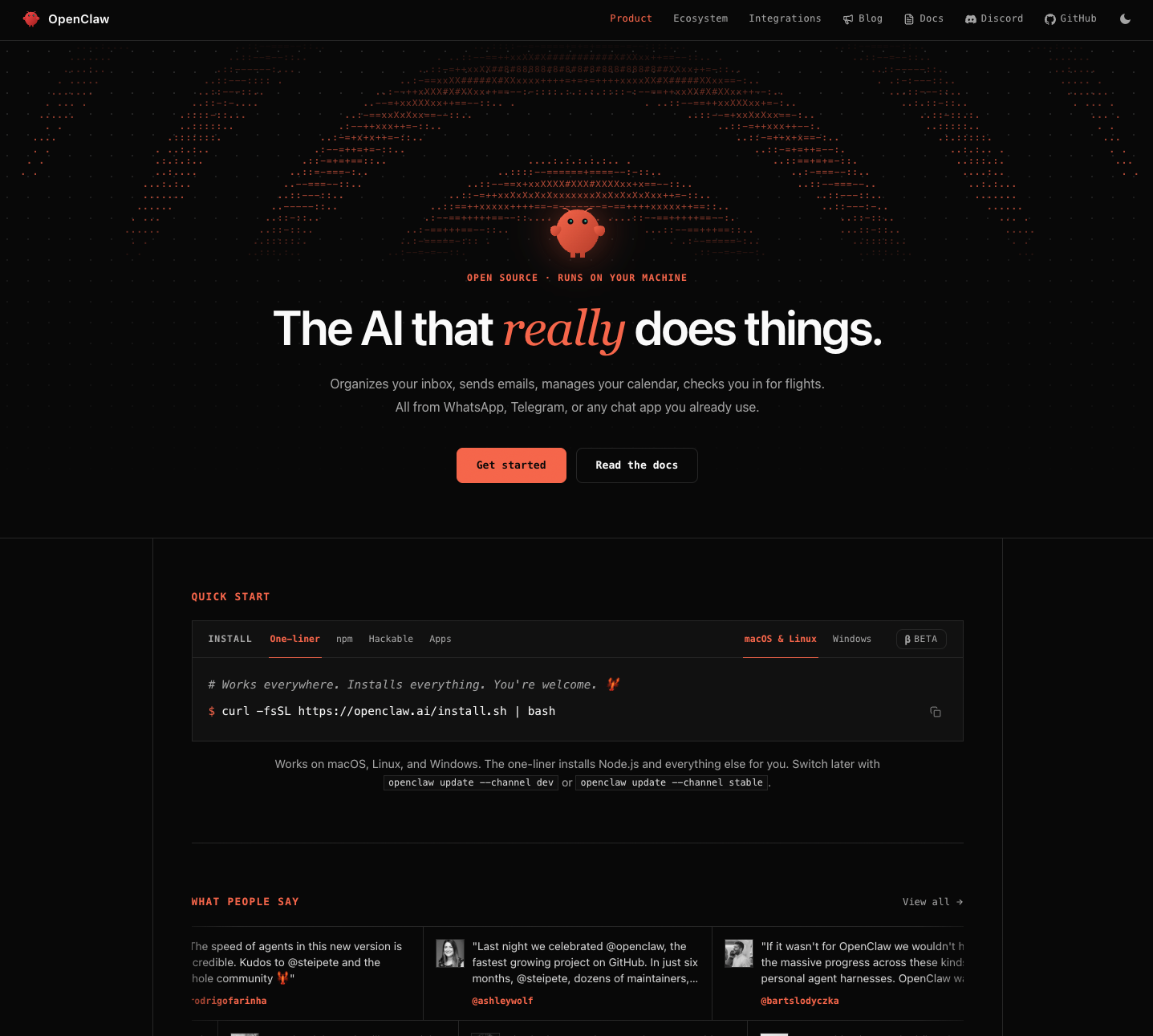
Next-gen open-first companies are another interesting category. Companies moving so fast (often through leveraging vibe-coding) that they haven't had time to work out what the product will be yet. OpenClaw is another example of course.
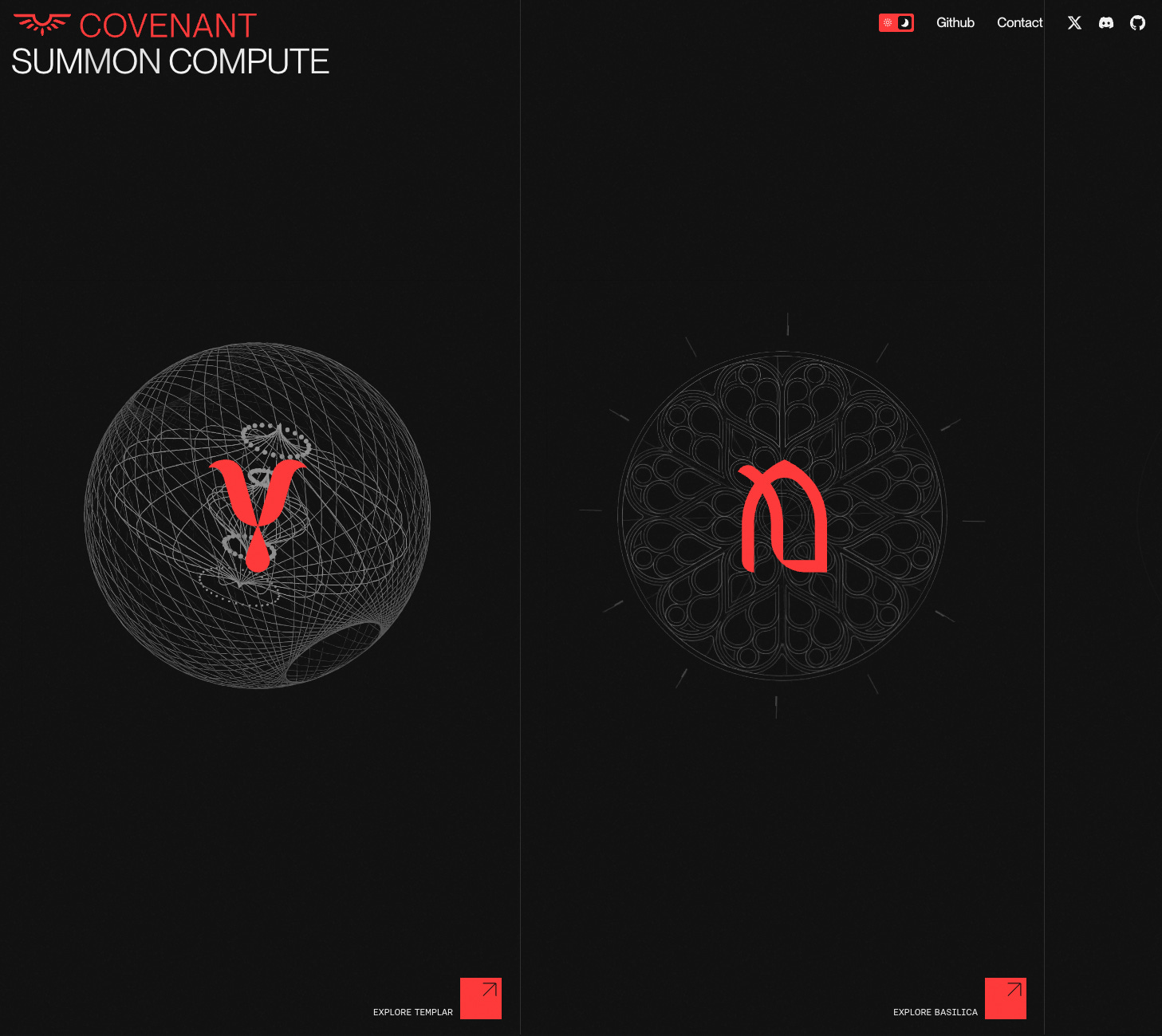
Covenant have also done some ground breaking model training work leveraging crypto incentives:
GENERAL INTELLIGENCE COMPANY

Our final example is companies that market how they work as much as the product. The General Intelligence Company blog is a great source of ideas for how smaller startups are getting an edge:
A two engineer code review totally ruins this dynamic. If your engineer is able to manage five simple tasks, two manageable tasks, and one complex task at a time, your two engineer code review system now requires them to review ten simple tasks (theirs and others), four manageable tasks, and two complex tasks. This will be the hardest thing to adapt to if you run an established engineering org.
One thing that ultimately unifies these companies is that they are very clear about either being very pro-AI or wanting nothing to do with AI/software (Lean Luxe) and that is reflected in brand, product and messaging. These companies also represent clear views of possible futures and how they participate in shaping those futures.